
How Professional Basement Waterproofing in Pittsburgh Can Protect Your Home from Harsh Weather
Pittsburgh’s cycle of heavy rain, seasonal snowfall, and frequent freeze–thaw transitions places continuous stress on basements and foundations. Professional basement waterproofing targets the root causes of that damage to preserve structural integrity and indoor air quality. This article explains how local climate patterns—from three-river drainage effects to expansive clay soils—generate hydrostatic pressure and soil movement that lead to leaks, cracks, and mold growth. You will learn how interior and exterior waterproofing methods work, when foundation repair is required, typical cost ranges, and practical seasonal prevention steps tailored for Pittsburgh properties. The guide also maps specific repair techniques to common local failure modes and gives homeowners a checklist for choosing a qualified contractor. Throughout, the focus is on actionable diagnosis and remediation so readers can prioritize durable solutions that reduce recurring repairs and protect property value. Key terms like Basement Waterproofing Pittsburgh, sump pump installation Pittsburgh, and French drain installation Pittsburgh are used to aid practical search and decision-making.
How Does Pittsburgh’s Unique Weather Impact Basements and Foundations?
Pittsburgh’s climate combines above-average annual precipitation, concentrated storm events, and frequent freeze–thaw cycles, creating conditions that accelerate water infiltration and soil movement around foundations. Hydrostatic pressure from saturated soils pushes groundwater through tiny pores and cracks, while repeated freezing and thawing causes frost heave and incremental displacement that opens joints and stair-step cracks in masonry. These mechanisms act together: heavy runoff increases soil moisture near foundations, and clay-rich soils common in the region expand and contract with moisture changes, amplifying movement. Understanding these processes is essential to choose the right waterproofing approach that addresses both source control and symptom remediation. The next subsection lists precipitation-driven basement problems homeowners typically observe and ties those symptoms to remediation priorities.
What Basement Problems Are Caused by Pittsburgh’s Heavy Rainfall and Snowfall?
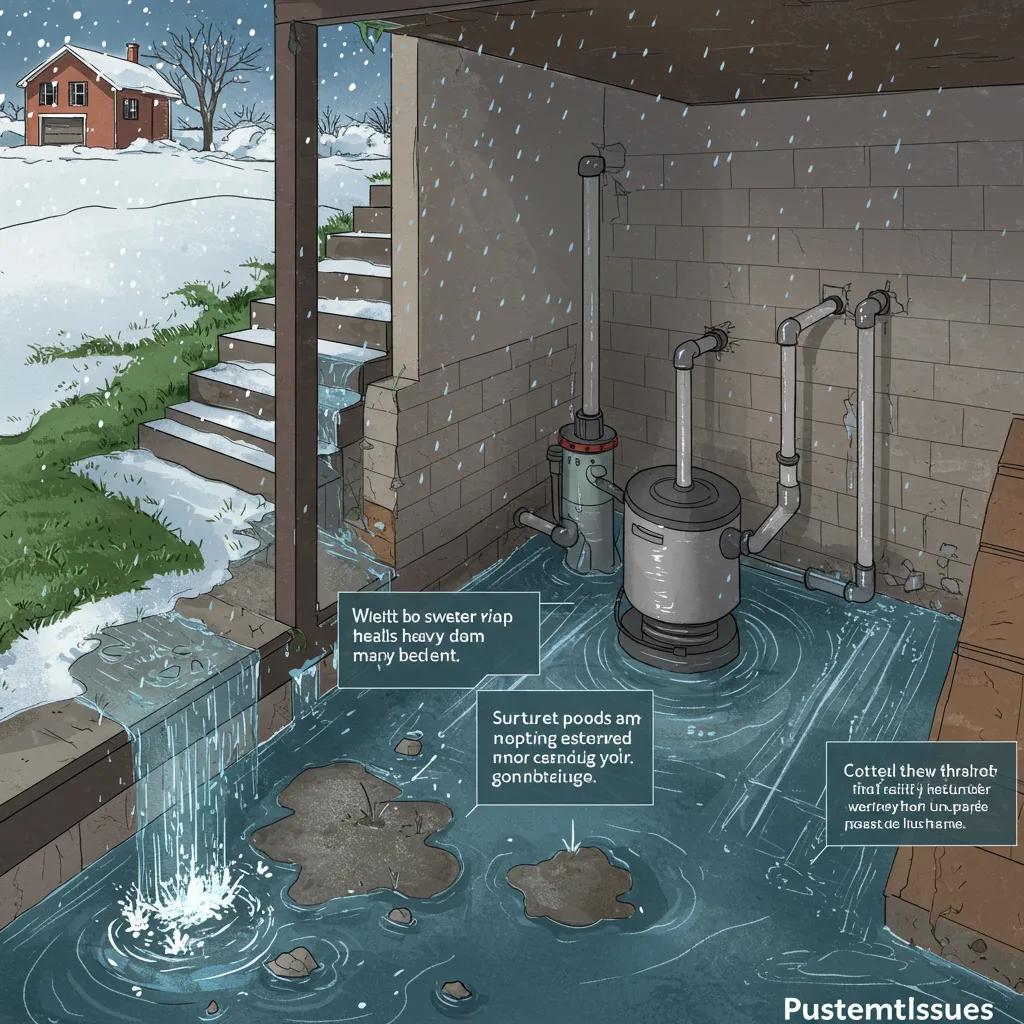
Heavy rains and rapid snowmelt increase groundwater levels and raise hydrostatic pressure against foundation walls and floors, causing visible seepage, damp patches, and episodic standing water in basements. Sump pumps may be overloaded during prolonged storms or fail without battery backup, which often converts minor seepage into serious flooding during power outages. Intense precipitation can also overwhelm municipal sewers and surface drainage, leading to sewer backup or combined-system surcharge that worsens basement moisture issues. Homeowners should watch for recurring damp odors, water stains, efflorescence on masonry, and sudden sump cycling as early warning signs that professional intervention is needed to manage peak storm loads. A targeted interior drainage system combined with reliable sump technology usually mitigates these precipitation-driven failures.
How Do Clay Soils and Freeze-Thaw Cycles Affect Pittsburgh Foundations?
Clay soils prevalent across many Pittsburgh neighborhoods absorb and hold water, expanding when wet and contracting when dry, which creates lateral pressure against foundation walls and differential settlement beneath footings. Freeze–thaw cycles introduce repeated upward and lateral forces—frost heave during winter and settling on thaw—that progressively loosen mortar joints, produce stair-step cracks in brickwork, and cause misaligned doors and windows. These processes are gradual but cumulative: small seasonal movements compound into structural distress if moisture sources are not controlled and if drainage remains inadequate. Recognizing patterns such as seasonal crack widening or wall bowing that coincides with heavy wet seasons helps homeowners decide whether waterproofing alone suffices or if foundation stabilization is required. The following section describes professional waterproofing solutions and when each is most appropriate for these geotechnical realities.
What Professional Basement Waterproofing Solutions Are Best for Pittsburgh Homes?
Professional waterproofing options address either the symptoms inside the basement or the source outside the foundation, and choosing between interior and exterior methods depends on the failure mode and site constraints. Interior drainage and sump pump systems collect and remove water that has already entered the structure, which is effective when infiltration is localized or excavation is impractical. Exterior systems, including French drains and foundation membranes, intercept and redirect groundwater before it contacts foundation walls and are preferable when hydrostatic pressure and exterior saturation are persistent. Crack repair, foundation membranes, and crawl space encapsulation each play roles in a layered approach that combines source control, structural protection, and humidity management. Below are focused explanations of interior and exterior methods so homeowners can match symptoms to solutions.
How Do Interior Waterproofing Methods Like Sump Pumps and Drainage Systems Work?
Interior waterproofing typically installs an interior drainage channel at the base of foundation walls that channels seepage to a sump pit; a submersible sump pump then ejects collected water away from the house to a safe discharge point. Systems may include battery backup pumps, alarm sensors, and automatic floats to handle power outages and peak flows, and routine maintenance involves testing the pump, cleaning the pit, and verifying discharge routing. Interior systems are less disruptive to landscaping and often cost less than full exterior excavation, while still resolving active basement seepage and controlling humidity when properly sized. Common failure points include blocked drains, aging pumps, or inadequate discharge elevation—which items a professional will inspect and address during installation.
After explaining interior systems, it is important to contrast when exterior solutions are necessary for long-term hydrostatic control and landscape impacts.
When Should Exterior Waterproofing Like French Drains and Foundation Membranes Be Used?
Exterior waterproofing involves excavation to expose the foundation, installing a drainage layer (French drain) and applying a waterproof membrane that prevents groundwater from contacting the wall, and it is typically recommended when exterior saturation and persistent hydrostatic pressure are the primary drivers of infiltration. This approach is the most direct way to stop water before it presses against foundation walls, and it is preferred when interior fixes have proven temporary or when visible exterior drainage failures exist. Tradeoffs include higher cost and landscape disruption versus superior long-term control; exterior work is often paired with regrading and soil amendment to improve surface runoff. When persistent external water sources, high groundwater tables, or widespread soil saturation exist, exterior methods are the durable option.
The table below compares common methods, what they address, and typical best-use scenarios for Pittsburgh properties.
Different professional waterproofing options map to specific basement problems and homeowner goals.
For homeowners ready to proceed with professional services, DryBas Basement Waterproofing Pittsburgh offers targeted installations that map to these methods while emphasizing local conditions. Provide quality Basement Waterproofing Pittsburgh service.
How Can Foundation Repair Services Address Pittsburgh’s Soil and Weather Challenges?
Waterproofing controls moisture, but foundation repair stabilizes and reverses structural movement caused by soil and freeze–thaw cycles; the two disciplines are complementary and often coordinated. A foundation specialist evaluates settlement patterns, crack geometry, and wall deflection to determine whether underpinning, piering, or wall reinforcement is required in addition to drainage work. Effective repair techniques directly counteract the forces described earlier: they transfer load to stable strata, restrain lateral wall movement, or restore alignment and bearing capacity. Homeowners should expect a diagnostic report that links observed symptoms to geotechnical causes so that waterproofing and repair are implemented together for durable outcomes. The next subsections list common foundation issues and map repair techniques to specific soil- and weather-driven failure modes.
What Are Common Foundation Issues in Pittsburgh Caused by Weather and Soil?
Common issues include differential settlement causing floor slope and stair-step cracks in masonry, bowing or bulging basement walls from lateral hydrostatic pressure, and vertical cracks near openings that indicate foundation movement. These symptoms often show seasonal variation: cracks may open after wet periods and appear tighter during dry spells, reflecting moisture-related soil behavior. Misaligned doors and windows, visible gaps at sill plates, and accelerated mortar deterioration are additional indicators of underlying foundation stress. Recognizing the symptom pattern helps prioritize intervention—whether targeted crack repair and waterproofing or deeper stabilization with piers and underpinning is the appropriate remedy.
Which Advanced Repair Techniques Are Effective for Pittsburgh Homes?
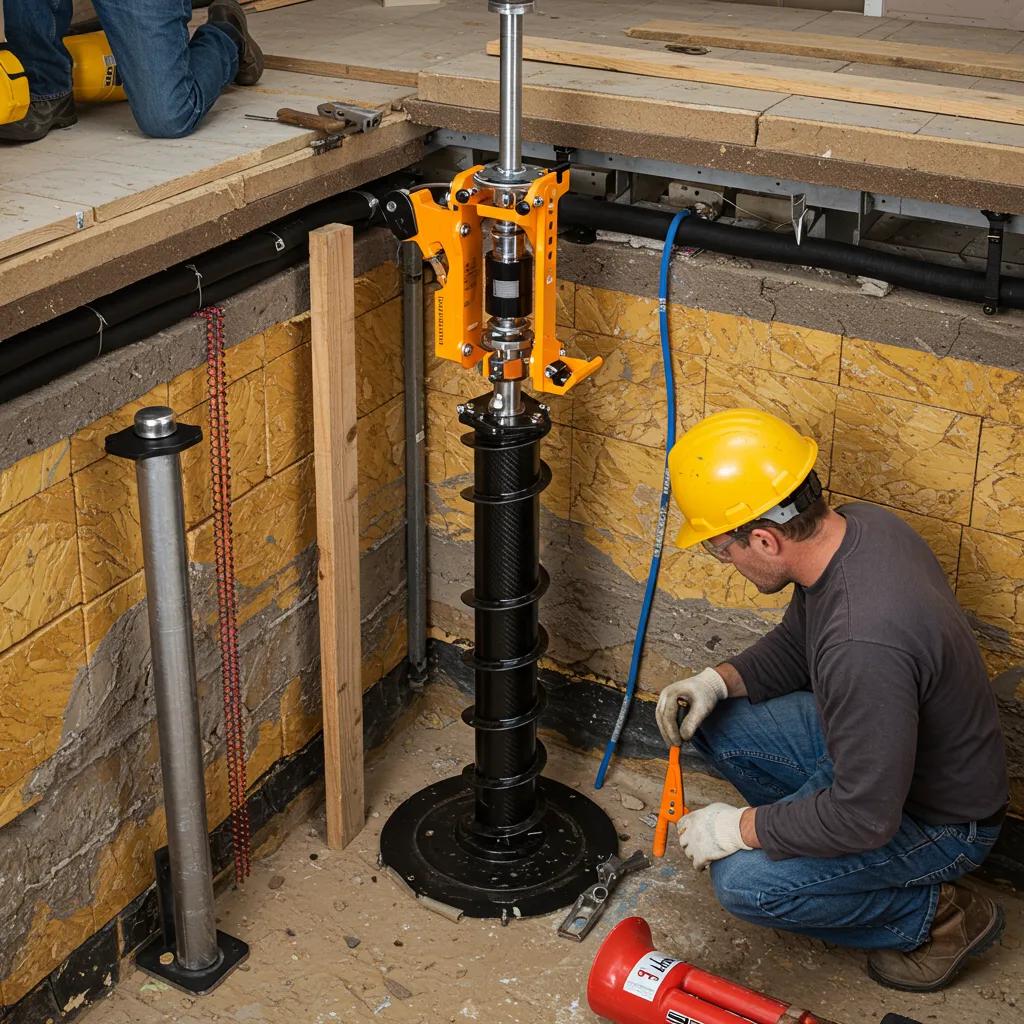
Modern repair techniques include carbon fiber reinforcement for bowed walls, helical and push piers for stabilizing settled footings, and slab underpinning or micropiles when deeper support is required; each technique addresses a specific failure mechanism. Carbon fiber straps restore bending capacity without excavation and are suitable for non-excavation wall reinforcement where movement is present but foundation footings are intact. Helical piers and driven push piers transfer structural loads to deeper, stable soils and are chosen when settling beneath footings is the primary concern. Often, contractors combine stabilization with waterproofing—installing piers to correct settlement while adding drainage to prevent recurrence—delivering both immediate structural correction and long-term moisture control.
The following table summarizes repair methods, the problems they address, and expected outcomes for Pittsburgh conditions.
Advanced foundation techniques map to geotechnical problems and desired outcomes.
What Are the Benefits of Professional Basement Waterproofing in Pittsburgh?
Professional waterproofing reduces moisture entry, which directly lowers mold risk, protects structural materials, and improves indoor air quality—outcomes that matter for occupant health and for preserving building components. By eliminating pathways for water intrusion and controlling interior humidity, waterproofing reduces organic growth and corrosion that accelerate deterioration of framing, insulation, and finishes. Economically, preventing repeated repairs and addressing problems proactively preserves property value and reduces lifecycle costs compared with ad hoc patches. Documented waterproofing work and associated warranties also increase buyer confidence when selling, because they demonstrate a managed, inspected approach rather than temporary fixes. The following subsections explain the health and financial benefits in practical terms.
How Does Waterproofing Prevent Mold, Structural Damage, and Health Hazards?
Moisture is the necessary precursor for mold growth and for decay processes that compromise wood, drywall, and insulation, and waterproofing interrupts moisture pathways by controlling infiltration and reducing relative humidity. Removing persistent dampness stops mold spores from finding favorable growth conditions, which lowers respiratory risk for occupants and reduces allergen loads in indoor air. Structural elements benefit because drying and stable relative humidity slow rot and corrosion, extending the useful life of materials. Pairing moisture control with ventilation and dehumidification completes a health-focused strategy that both remediates active problems and prevents recurrence.
How Can Waterproofing Increase Property Value and Home Longevity in Pittsburgh?
Waterproofing safeguards the condition of foundation and lower-level finishes, reducing the frequency and scale of future repairs and thereby increasing the home’s serviceable lifespan. Buyers assess risk; documented waterproofing, comprehensive diagnostic reports, and transferable warranties can differentiate a property by signaling lower near-term maintenance needs. Over time, avoiding repeated patchwork repairs translates into cost savings that often exceed the initial waterproofing investment, particularly in climates where water-related issues recur. For Pittsburgh homeowners, a one-time, comprehensive solution that pairs drainage, sump protection, and selective structural reinforcement can be presented as a value-preserving upgrade during resale.
How Do Pittsburgh Homeowners Choose the Right Basement Waterproofing Expert?
Selecting a contractor requires verifying credentials, inspecting diagnostic rigor, and evaluating warranties and financial terms so the chosen provider can both diagnose root causes and deliver a durable solution. Essential criteria include proof of licensing and insurance, local project references, clear written scopes of work, and defined warranty terms on labor and materials. Homeowners should ask for a site-specific diagnosis that explains whether interior drainage, exterior drainage, or foundation stabilization is the recommended path, and request a written timeline and post-installation maintenance plan. The next subsections provide a practical checklist of items to verify during vetting and explain how free estimates and flexible payment plans help homeowners compare and afford comprehensive solutions.
What Should You Look for in a Licensed and Insured Pittsburgh Waterproofing Company?
A reliable contractor will present verifiable licensing and insurance documentation, provide local references or project examples, and offer clear sample contracts and warranty language that specify coverage terms and exclusions. During consultation, insist on a diagnostic walkthrough that identifies moisture sources, soil and grading issues, and visible structural symptoms; this demonstrates technical rigor rather than a one-size-fits-all quote. Ask for evidence of local experience addressing Pittsburgh-specific conditions such as clay soils and freeze–thaw damage, and request before/after documentation for similar projects. These checks reduce the risk of incomplete scope, unexpected add-ons, or solutions that treat symptoms without fixing root causes.
- Verify PA licensing and proof of insurance before hiring.
- Request at least three local references or documented project examples.
- Obtain a clear, written scope, timeline, and warranty statement.
- Confirm diagnostic steps and soil/drainage evaluation are included in the estimate.
Checking these items helps ensure the provider will deliver a durable, site-specific solution.
How Do Free Estimates and Flexible Payment Plans Help Pittsburgh Homeowners?
Free estimates let homeowners compare specific scopes and material choices without upfront cost, enabling apples-to-apples evaluation of interior versus exterior solutions and of stabilization needs. Flexible payment plans make comprehensive solutions accessible by spreading costs, which prevents under-scoping that leaves root causes unaddressed; this is particularly important when exterior excavation or piering is required. Beware of estimates that are vague or lack diagnostic detail, and request itemized pricing that separates waterproofing, excavation, repair, and landscape restoration costs. For homeowners comparing options, transparent estimates and sensible financing reduce the temptation to choose cheaper, short-term fixes that increase lifetime expense.
Provide quality Basement Waterproofing Pittsburgh service.
What Are Typical Costs and Preventative Tips for Basement Waterproofing in Pittsburgh?
Typical basement waterproofing cost ranges vary depending on whether the solution is interior drainage, exterior excavation, or structural foundation work, with interior solutions generally costing less than full exterior excavation and stabilization requiring higher investment. Homeowners should expect a baseline interior drainage and sump installation to be more affordable, whereas exterior French drains, membranes, and large-scale piering carry higher price bands due to excavation, materials, and landscape restoration. Factors that affect cost include site accessibility, soil conditions, the extent of structural repair required, and whether battery backups or landscape regrading are included. The table below presents typical cost elements and lifespans to help homeowners budget and compare professional offers.
Cost components, expected lifespans, and homeowner considerations for common waterproofing elements.
How Much Does Basement Waterproofing Usually Cost in Pittsburgh?
A practical cost range depends on scope: interior drainage and sump pump systems commonly represent the lower end of the spectrum, while exterior excavation and foundation stabilization increase costs significantly; homeowners should use ranges as rough guides and obtain a free on-site estimate for precise pricing. Influencing factors that raise costs include deep excavation, complex landscape restoration, required structural piers, and difficult access that extends labor time. Conversely, simple localized crack sealing or targeted interior drains typically fall toward the lower end. To obtain accurate pricing, request an itemized on-site assessment that distinguishes diagnostic findings from recommended corrective actions.
What Preventative Measures Can Pittsburgh Homeowners Take Before Professional Help?
Homeowners can take immediate, low-cost steps to reduce water ingress risk and extend the interval before professional intervention is required, focusing first on surface water control and routine maintenance. Key actions include ensuring gutters and downspouts are clear, extending downspouts away from the foundation, regrading soil to slope away from the house, and sealing minor cracks and penetrations to limit direct entry points. Seasonal checks before freeze–thaw periods—such as verifying proper sump pump operation and adding battery backup—reduce the likelihood of winter flooding and storm-related failures. If these measures reveal persistent or worsening signs, call a qualified professional for a comprehensive diagnostic and tailored remediation plan.
- Clear gutters and extend downspouts at least several feet from the foundation.
- Regrade soil to promote runoff away from the house and repair low spots.
- Test the sump pump and install battery backup to guard against outages.
- Inspect basements for damp spots, efflorescence, and musty odors monthly.
Implementing these steps reduces immediate risk and informs the contractor’s diagnostic process when professional services are needed.
Provide quality Basement Waterproofing Pittsburgh service.
For homeowners ready to schedule a professional assessment or request a free estimate, DryBas Basement Waterproofing Pittsburgh can evaluate site-specific conditions and recommend tailored interior or exterior solutions, sump pump installations, French drains, foundation crack repair, and crawl space encapsulation. Provide quality Basement Waterproofing Pittsburgh service. For direct contact and scheduling, use the company phone number 412-923-0727 or email drybaswaterproofingpittsburgh@gmail.com; the office address is 1621 Forbes Ave, FL 2, Pittsburgh, PA 15219.
Frequently Asked Questions
What are the signs that my basement needs waterproofing?
Homeowners should look for several warning signs indicating the need for waterproofing. Common indicators include damp spots on walls or floors, musty odors, visible mold growth, and water stains. Additionally, if you notice efflorescence (a white, powdery substance) on masonry or frequent sump pump activation, these are clear signs of moisture issues. Cracks in walls or floors, especially those that widen over time, can also signal underlying problems. Addressing these symptoms early can prevent more severe damage and costly repairs.
How often should I perform maintenance on my waterproofing system?
Regular maintenance is crucial for ensuring the effectiveness of your waterproofing system. Homeowners should inspect their systems at least once a year, ideally before the rainy season. This includes checking sump pumps for proper operation, cleaning drainage systems, and ensuring that gutters and downspouts are clear. Additionally, inspect for any new cracks or signs of moisture in the basement. If you notice any issues, it’s advisable to consult a professional to address them promptly and maintain the integrity of your waterproofing solution.
Can I waterproof my basement myself, or should I hire a professional?
While some minor waterproofing tasks, like sealing small cracks or ensuring proper drainage, can be done by homeowners, professional waterproofing is often recommended for comprehensive solutions. Professionals have the expertise to assess the specific conditions of your basement and recommend appropriate methods, whether interior or exterior. They also have access to specialized equipment and materials that can provide more effective and long-lasting results. Hiring a professional ensures that the job is done correctly, reducing the risk of future issues and costly repairs.
What is the typical lifespan of a waterproofing system?
The lifespan of a waterproofing system can vary based on the methods used and the specific conditions of your home. Generally, interior drainage systems and sump pumps can last between 10 to 15 years with proper maintenance. Exterior waterproofing methods, such as French drains and foundation membranes, can provide long-term protection if maintained correctly. However, factors like soil conditions, climate, and the quality of installation can influence longevity. Regular inspections and maintenance can help extend the life of your waterproofing system.
Are there any health risks associated with basement moisture?
Yes, basement moisture can pose several health risks. Excess moisture creates an environment conducive to mold growth, which can lead to respiratory issues, allergies, and other health problems for occupants. Additionally, damp conditions can attract pests like rodents and insects, which can further compromise indoor air quality. By addressing moisture issues through professional waterproofing, homeowners can significantly reduce these health risks and create a safer, healthier living environment for their families.
What should I do if I find mold in my basement?
If you discover mold in your basement, it’s essential to address it promptly to prevent health risks and further damage. First, identify and eliminate the source of moisture that is allowing mold to thrive. Next, you can clean small areas of mold with a mixture of water and detergent, but for larger infestations, it’s best to hire a professional mold remediation service. They can safely remove the mold and recommend waterproofing solutions to prevent future growth. Always ensure proper ventilation and humidity control in your basement to minimize mold risks.
Conclusion
Professional basement waterproofing in Pittsburgh is essential for protecting your home from moisture-related damage, ensuring a healthier living environment and preserving property value. By addressing the unique challenges posed by the local climate and soil conditions, homeowners can prevent costly repairs and enhance the longevity of their foundations. Take the proactive step of consulting with a qualified waterproofing expert to assess your specific needs and explore tailored solutions. Contact DryBas Basement Waterproofing Pittsburgh today to schedule your free estimate and safeguard your home.